

.jpg?width=289&height=168&name=Data%20Use%20cases%20(1).jpg)
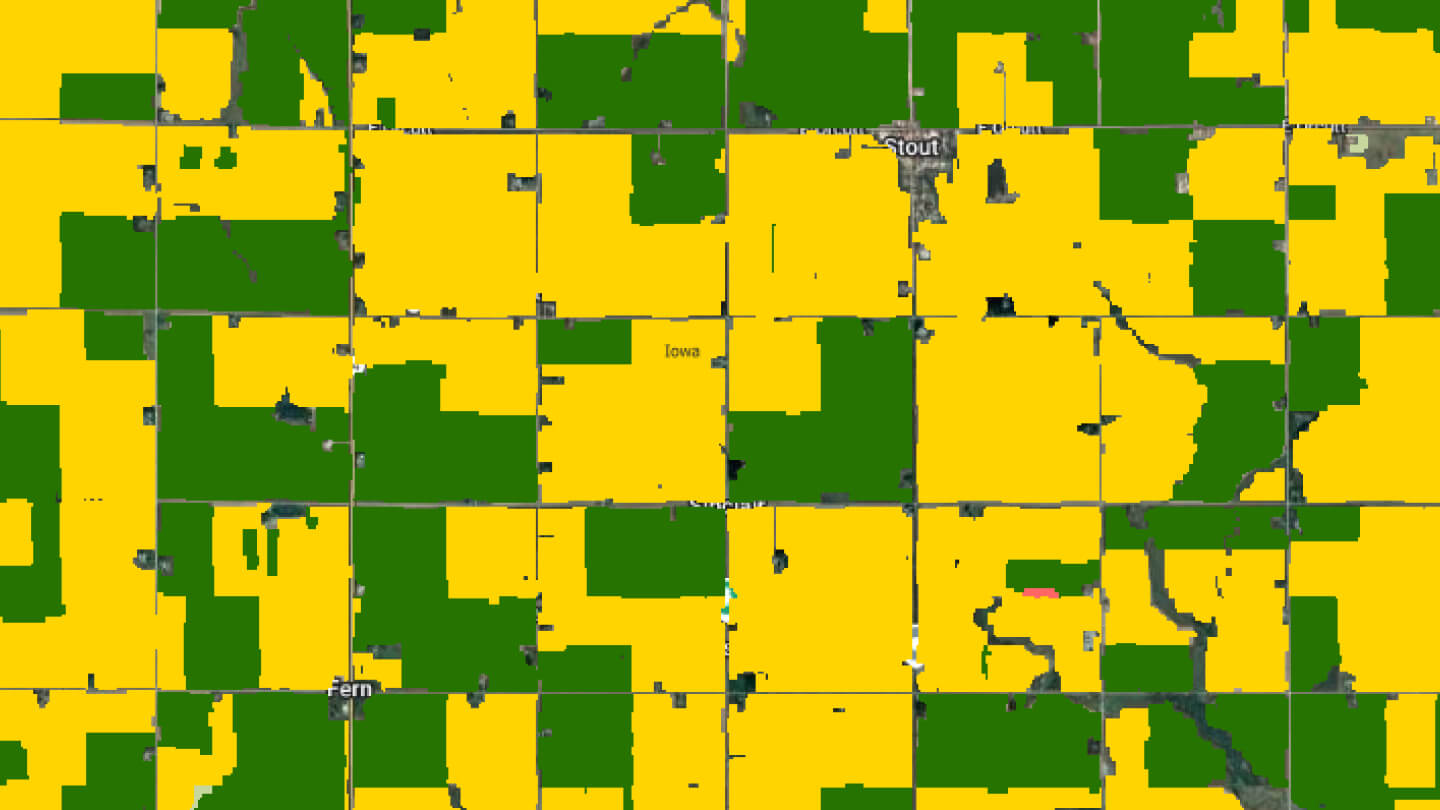


In American agriculture, timing is everything. While competitors wait months for USDA's Cropland Data Layer, market opportunities shift, trading windows close, and procurement strategies fall behind reality.
By the time official statistics arrive, the growing season has ended, and so have the opportunities to
act on planting insights.
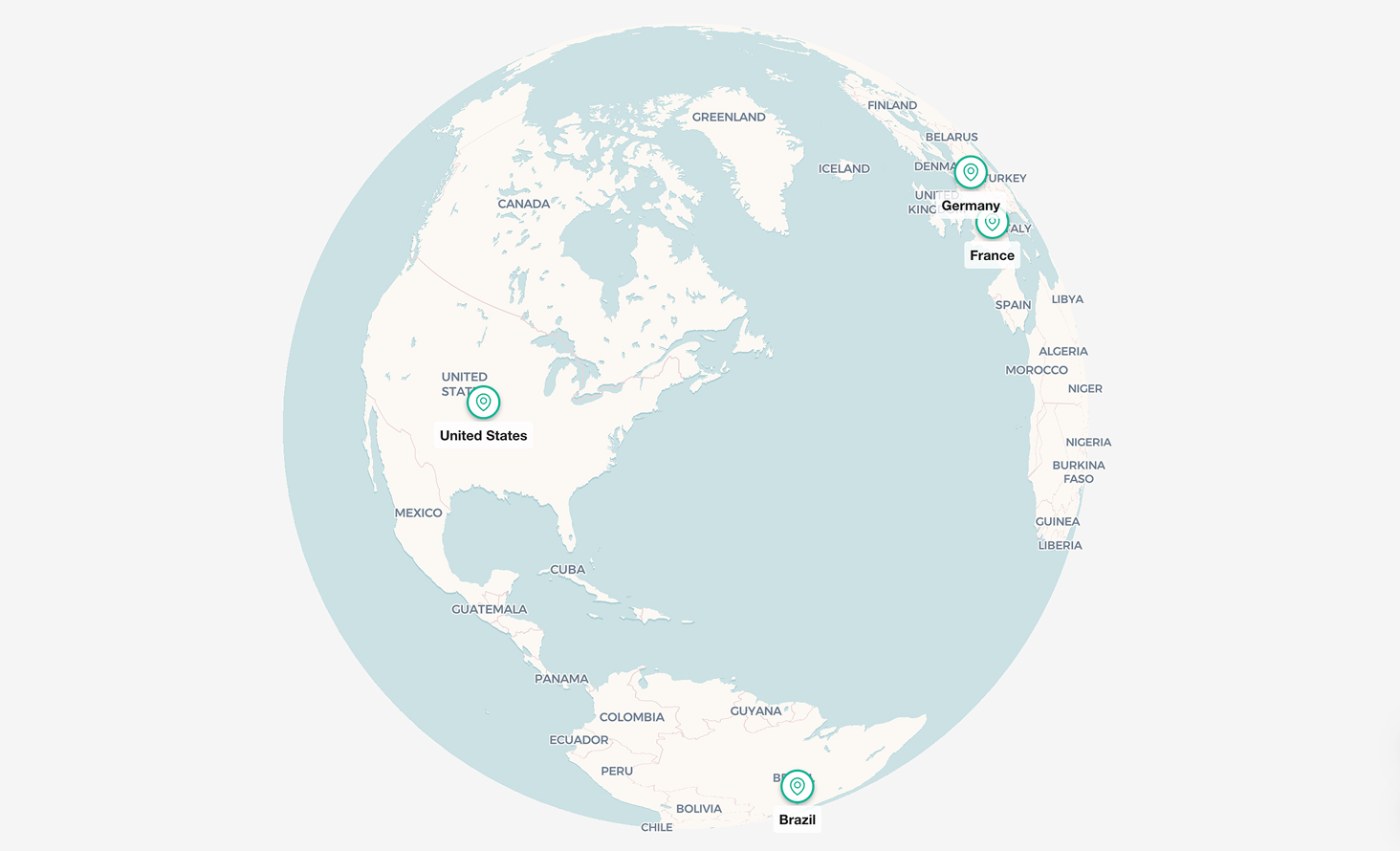
National Coverage:
From coast to coast, covering the Corn Belt, Great Plains, Mississippi Delta, and Cotton Belt
Crop Identification enables commodity traders, insurers, food corporates, and AgTech platforms to track acreage distribution and refine supply outlooks as the season advances.
While government agencies publish crop data months after harvest, Crop Identification delivers classification during the growing season. Mid-June and mid-July deliveries provide progressive insight as satellite observations accumulate—enabling you to track acreage and refine forecasts while competitors wait for official statistics.
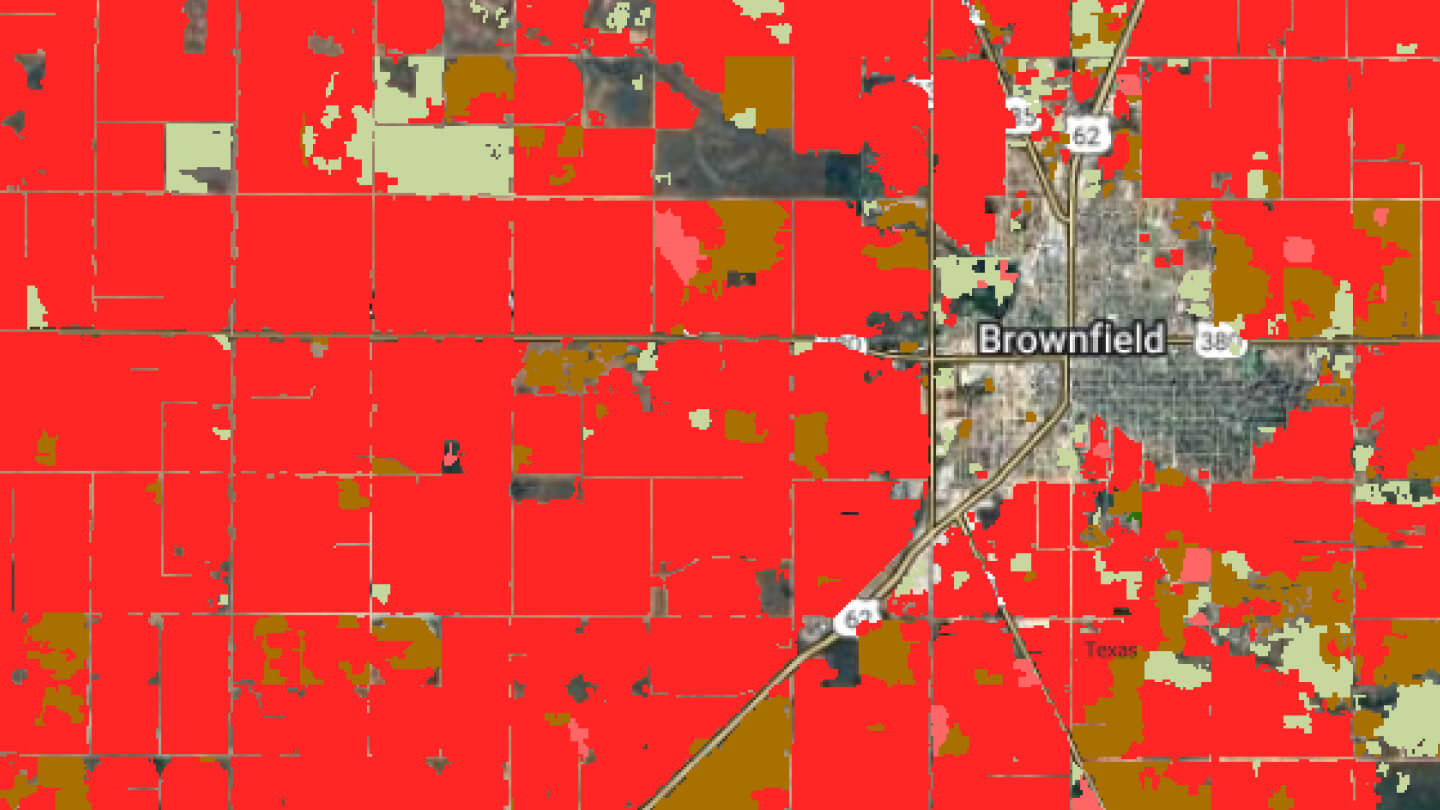
Advanced machine learning models combine Sentinel-2 and Landsat optical imagery with weather data to classify crops across millions of hectares. Our models achieve strong accuracy for major U.S. row crops under operational conditions:
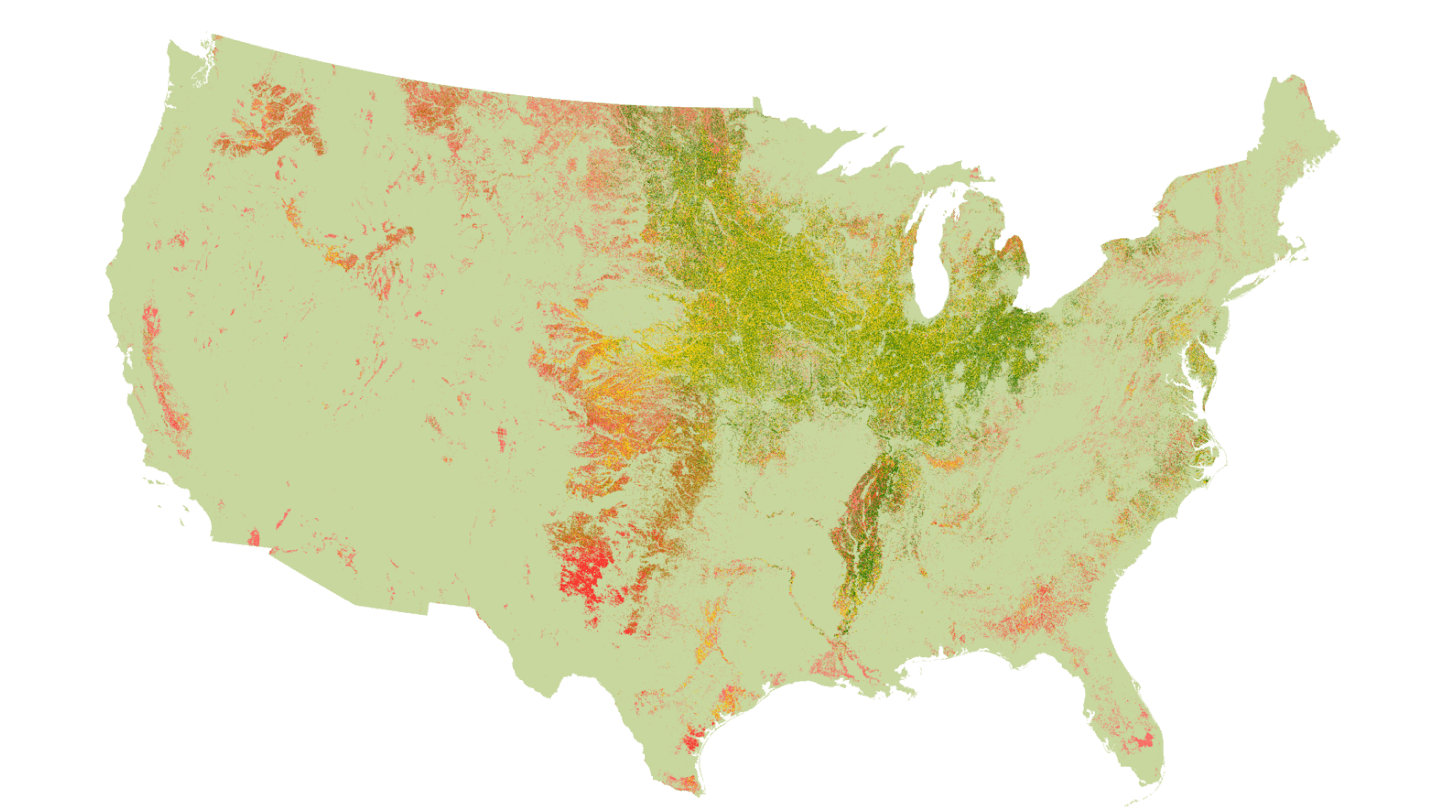
Crop Identification delivers complete classification across the entire United States, not extrapolated estimates from sample areas. Every agricultural region is mapped, enabling precise analysis at national, state, county, or individual field levels depending on your requirements.
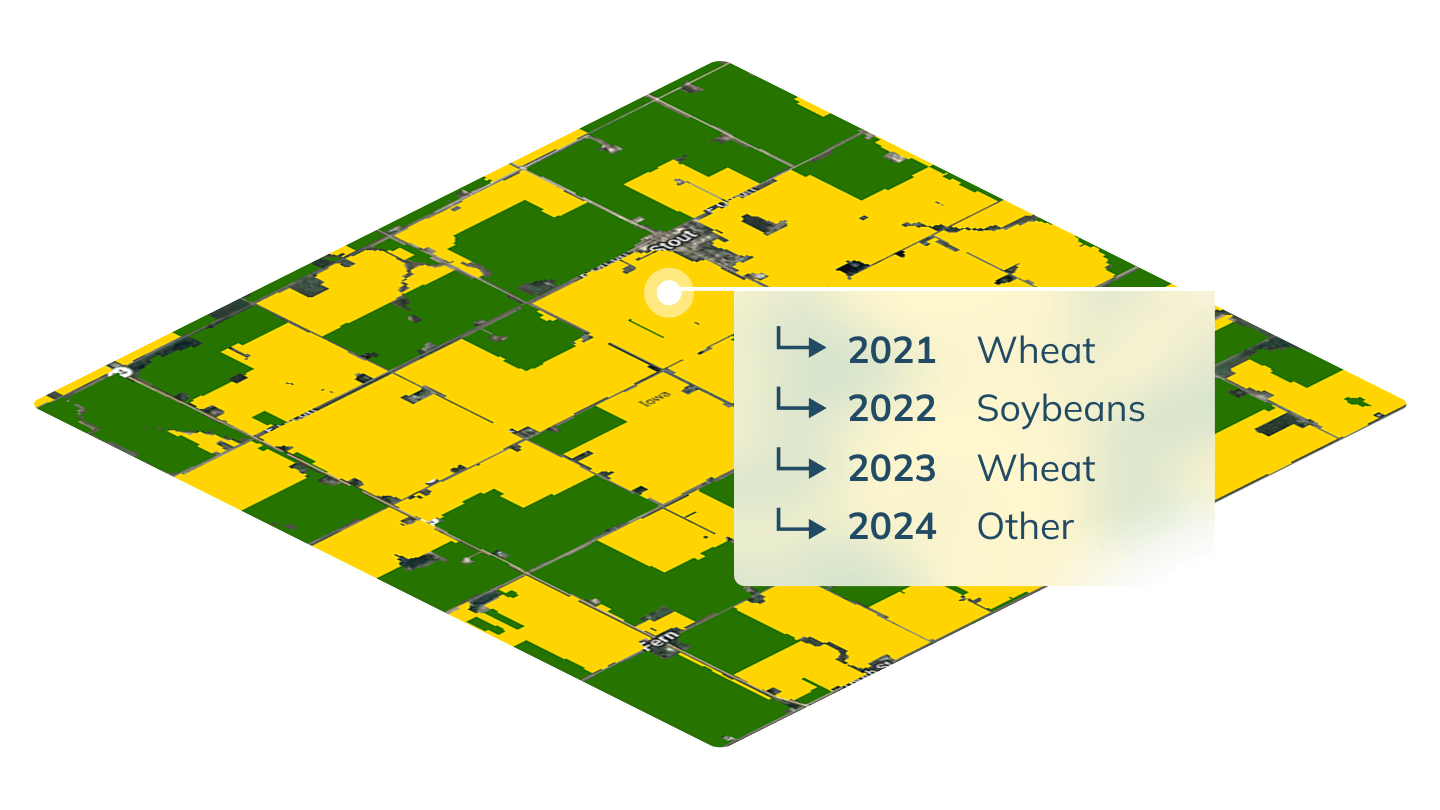
Beyond in-season classification, Crop Identification provides access to historical crop layers from 2008 onward using USDA reference datasets. This archive enables:
Challenge:
A commodity trading firm relies on USDA planting intentions surveys and agent reports to build their summer corn position. By the time actual acreage data arrives in January—six months after harvest—market prices have already adjusted. The firm consistently misses optimal entry points because competitors with faster intelligence are moving markets before official data confirms what satellite imagery revealed months earlier. In volatile years, this information lag costs the desk millions in missed opportunities.
Solution:
The trading desk integrates Crop Identification's mid-June and mid-July deliveries into their acreage models. Satellite-derived classification across the Corn Belt provides county-level planted acreage weeks before market consensus forms. The team tracks corn-to-soybean ratios in real-time as planting decisions materialize, validates USDA projections against satellite-verified actuals, and refines supply models with each progressive update.
Outcome:
When Crop Identification's mid-July classification reveals corn acreage in Iowa running meaningfully below USDA expectations, the desk builds long positions before the August WASDE report confirms the shortfall. As markets adjust to revised estimates, the early position captures significant alpha relative to traders who waited for official confirmation. The firm transforms from reactive market follower to proactive price leader—with satellite intelligence providing the edge that separates top-quartile performance from the pack.
Challenge:
A regional crop insurer accepts farmer declarations at face value during the enrollment period—there's simply no scalable way to verify what's actually planted across thousands of policies. When claims season arrives, the actuarial team discovers significant discrepancies between declared crops and actual plantings. Some policyholders declared corn but planted soybeans; others switched crops mid-season without updating declarations. These mismatches create adverse selection, distort loss ratios, and expose the portfolio to risks that weren't properly priced. Manual field verification would cost more than the policies are worth.
Transform your agricultural market intelligence with crop classification that arrives during the growing season. Discover how Crop Identification delivers competitive advantage across American agriculture:
Contact EarthDaily to transform how your team identifies opportunities, engages growers, and drives revenue through predictive crop identification.