
Ascend
Unified Environmental risk Intelligence for Asset Portfolios
Environmental risk is no longer a single-peril problem. Insurers, reinsurers, and government agencies need a unified view of wildfire, flood, wind, and other hazards across entire asset portfolios, not fragmented data from dozens of disconnected vendors.

Understand and Mitigate the Impacts of a Volatile Environment
Ascend is a multi-hazard SaaS platform that brings together EarthDaily's proprietary earth observation intelligence and 61+ curated partner data sources into a single environment built for underwriters, portfolio managers, and risk analysts. Query complex risk data in natural language, assess correlated multi-peril exposure, and make defensible decisions backed by property-level precision.
-
Proprietary Wildfire Intelligence:
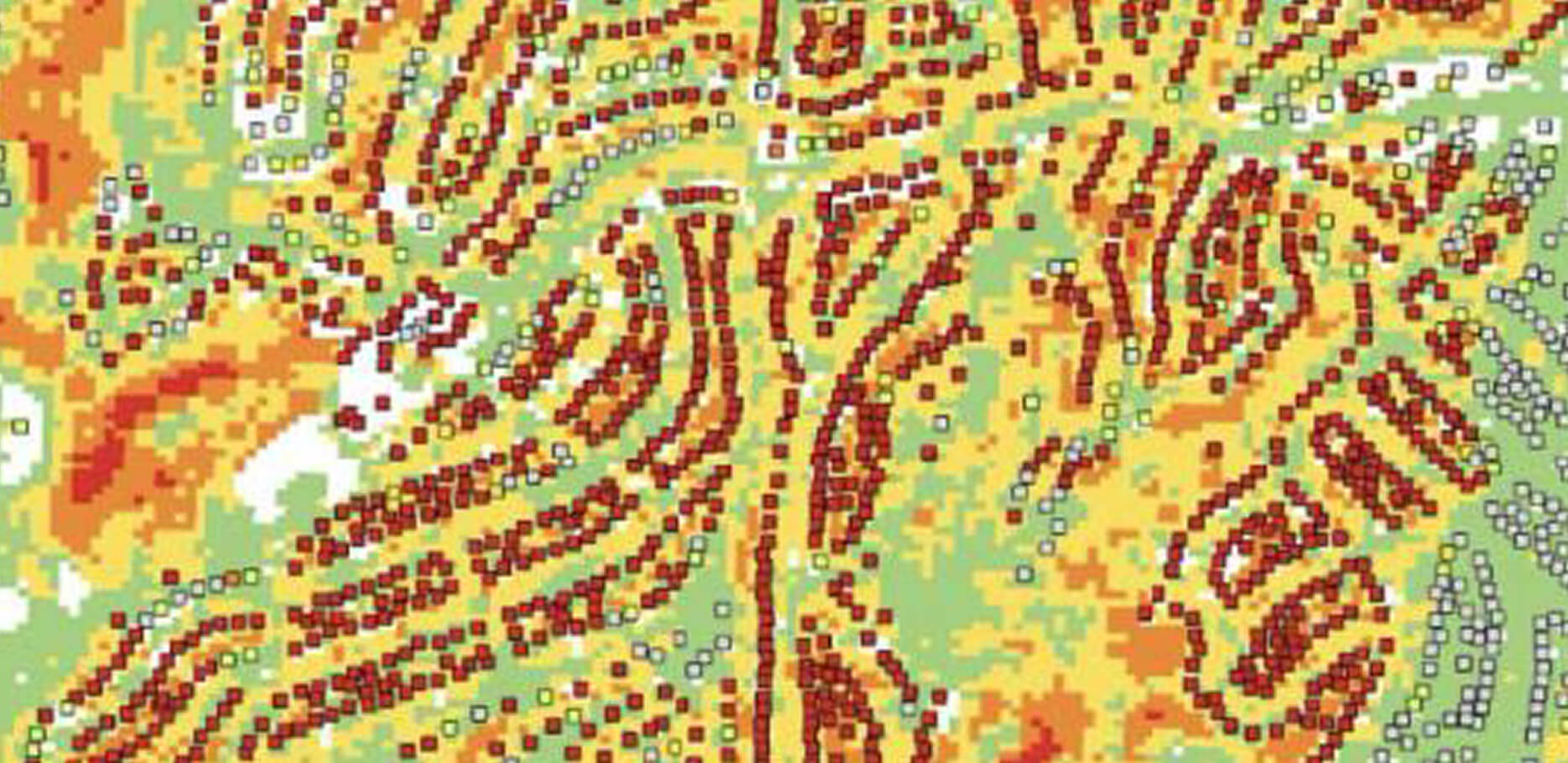
EarthDaily's own satellite data and forestry science deliver wildfire risk scores at 20 to 30m resolution, 15 to 50 times more granular than competing products.
-
61+ Curated Data Partners in One Platform:
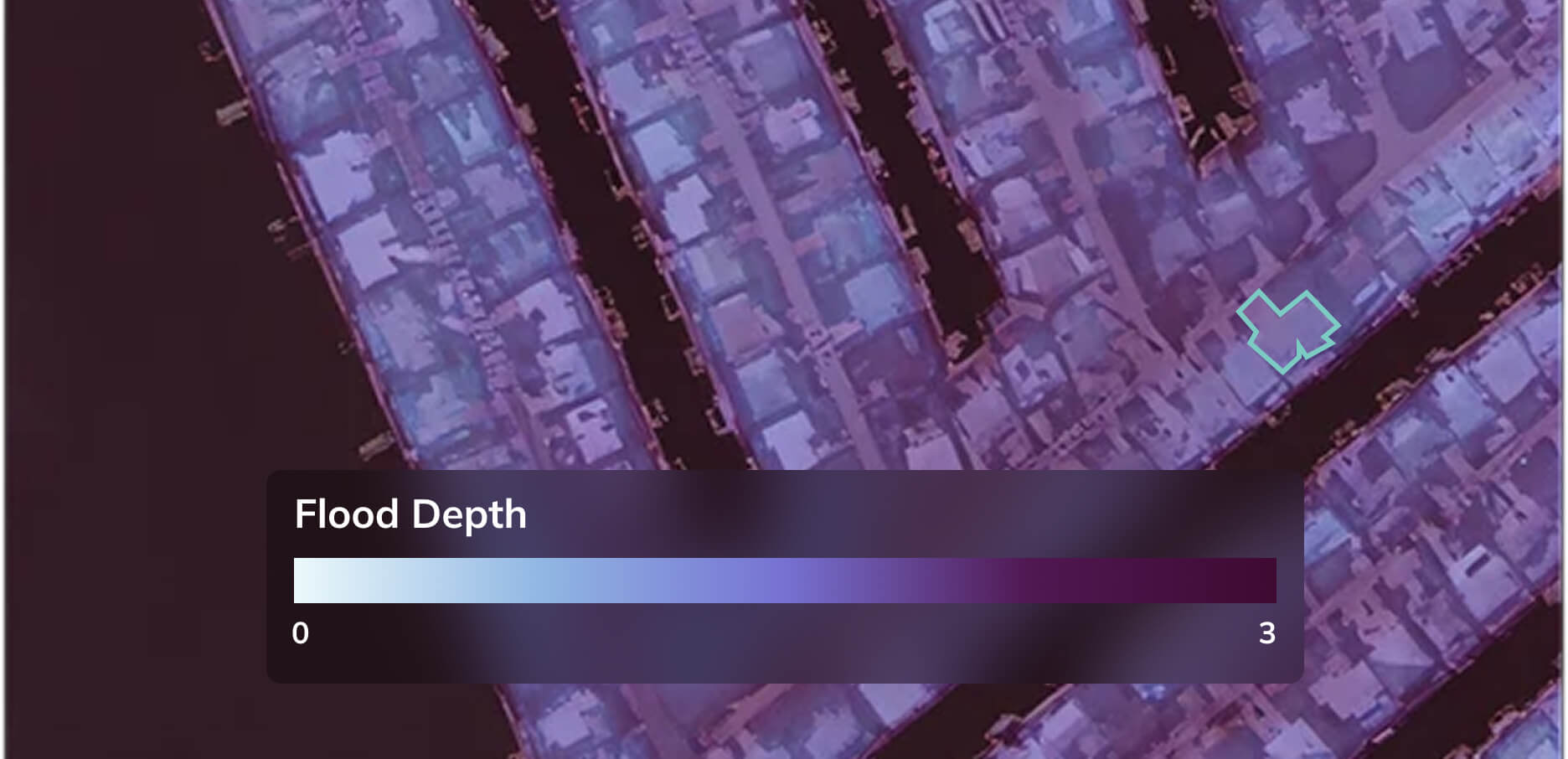
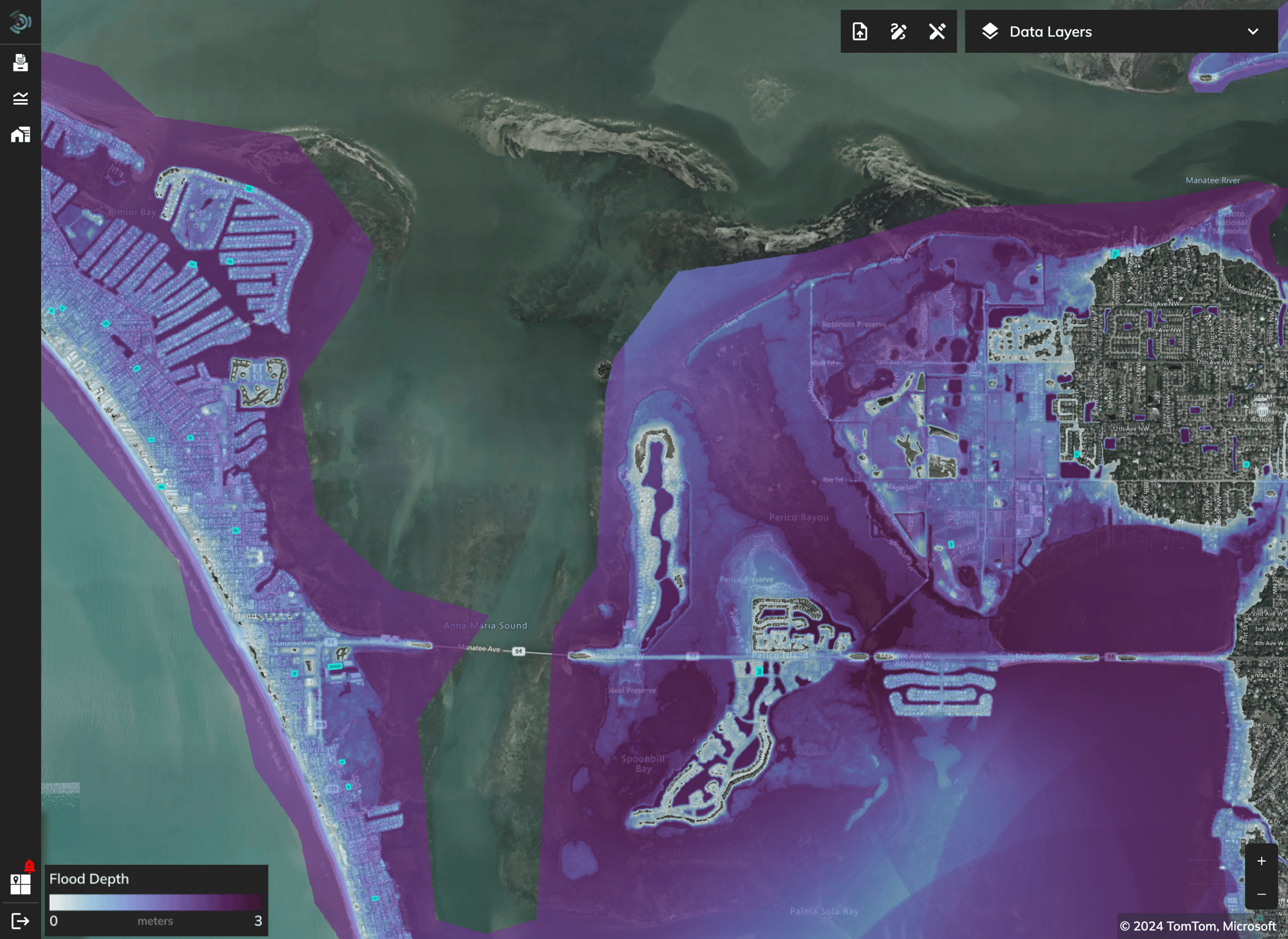
Flood, hail, cyclone, hurricane, property analytics, and more, selected, validated, and made immediately usable without managing separate vendor relationships.
-
One Geocoding Baseline Across Every Peril: Every data layer references a single, validated property location, eliminating the errors that compound when stitching together inconsistent vendor data.
Why Choose Digital Ag for Field Intelligence
Ascend replaces ZIP-code and county-level risk scores with property-level analytics across all perils. This precision enables insurance providers, forestry & utility companies, and governments to identify insurable risks within broadly high-risk zones that competitors decline.

Unmatched Wildfire Data:
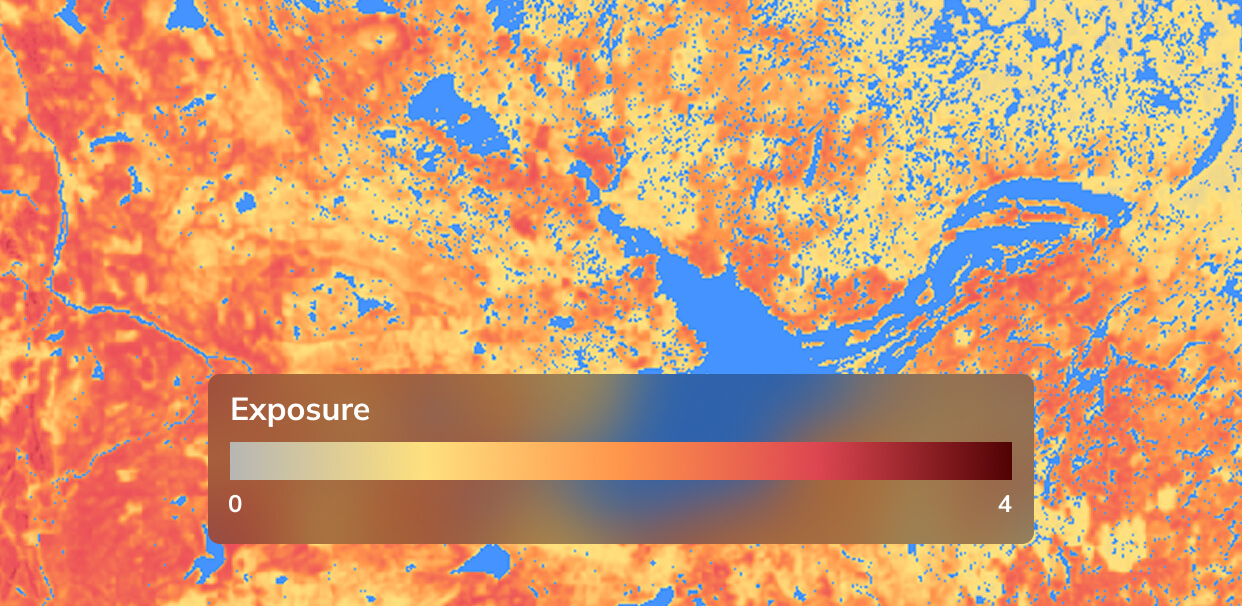
EarthDaily's Earth observation capabilities provide a fuels-based, forward-looking wildfire exposure risk score. Unlike models built on historical burn scars, Ascend's wildfire intelligence reflects current fuel loads, canopy density, and forest health conditions, updated continuously using satellite imagery from the EarthDaily Constellation.
Operational Consolidation:
Managing separate data pipelines for wildfire, flood, and hail with inconsistent geocoding and conflicting property locations introduces errors and consumes underwriter time. Ascend consolidates environmental risk analytics into one system, reducing vendor complexity and improving data consistency.
LLM-Powered Workflows for Non-Technical Users:
Embedded natural language query capabilities allow frontline underwriters and executive teams to access complex risk data without requiring GIS expertise or data science resources. Ask questions in plain language and receive actionable, data-driven insights.
From Fragmented Data to Unified Risk Intelligence
Ascend's analytics engine combines EarthDaily's proprietary earth observation data with curated partner sources and AI-powered workflows to deliver comprehensive environmental risk assessment.
Multi-Source Data Fusion at Scale
Access data from 61+ specialized partners covering aerial imagery, climate models, property attributes, and more. Ascend eliminates the need to manage multiple data vendors or pipelines for end-to-end workflow needs.
Geocoding Consensus Algorithm
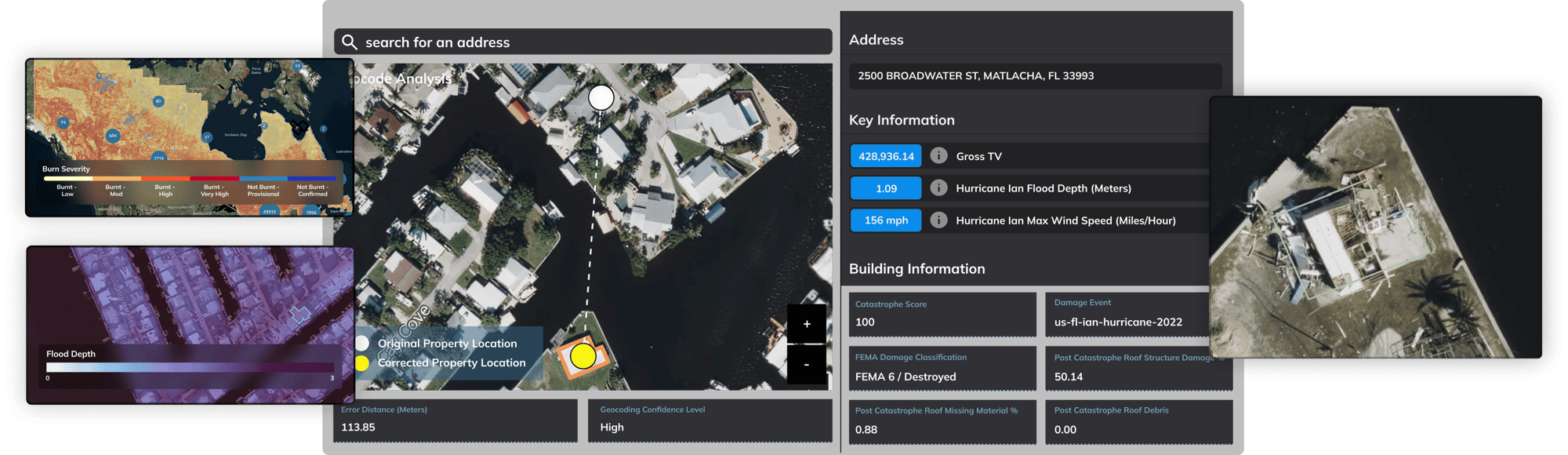
Accurately and scalably enhances asset location data, reducing the propagation of geocoding errors in claims and underwriting decisions. Every peril assessment references a corrected, validated property location.
Cross-Peril Portfolio Analytics
Assess wildfire, flood, wind, hail, and other hazards across an entire portfolio from a single interface. Identify correlated exposures, compare risk across geographies, and support strategic capital allocation with integrated multi-hazard views.
AI-Powered Natural Language Queries
Non-technical users query complex risk datasets conversationally. The embedded LLM synthesizes data across perils and assets to surface insights that would otherwise require manual analysis across multiple tools.
Automated Data Synthesis and Scenario Forecasting
Ascend automates the assembly and reconciliation of multi-peril data, accelerating decision cycles and reducing the manual overhead that limits underwriting throughput at scale.
Seamless Integration with Underwriting Workflows
Single-Platform Experience:
Every peril, every asset, and every portfolio view through one environment built for underwriters, not GIS analysts or data scientists.
Consistent Geocoding Foundation:
All partner data layers are normalized against Ascend's geocoding consensus algorithm, ensuring every risk decision references the same validated property location.
Portfolio-Level Views:
Move between individual property assessment and aggregate portfolio risk analysis without switching tools or reconciling data.
Consistent Geocoding Foundation:
All partner data layers are normalized against Ascend's geocoding consensus algorithm, ensuring every risk decision references the same validated property location.
Natural Language Access:
Query risk data conversationally, reducing time-to-decision and enabling non-technical team members to contribute to risk assessment workflows.

Coverage and Scope
Wildfire Intelligence

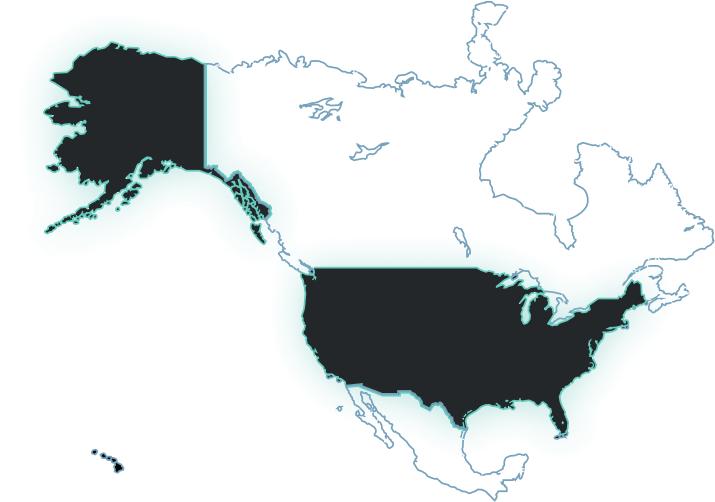
United States
Coverage Area:
Major agricultural regions including the Corn Belt, Great Plains, and Cotton Belt

Canada:
Coverage Area:
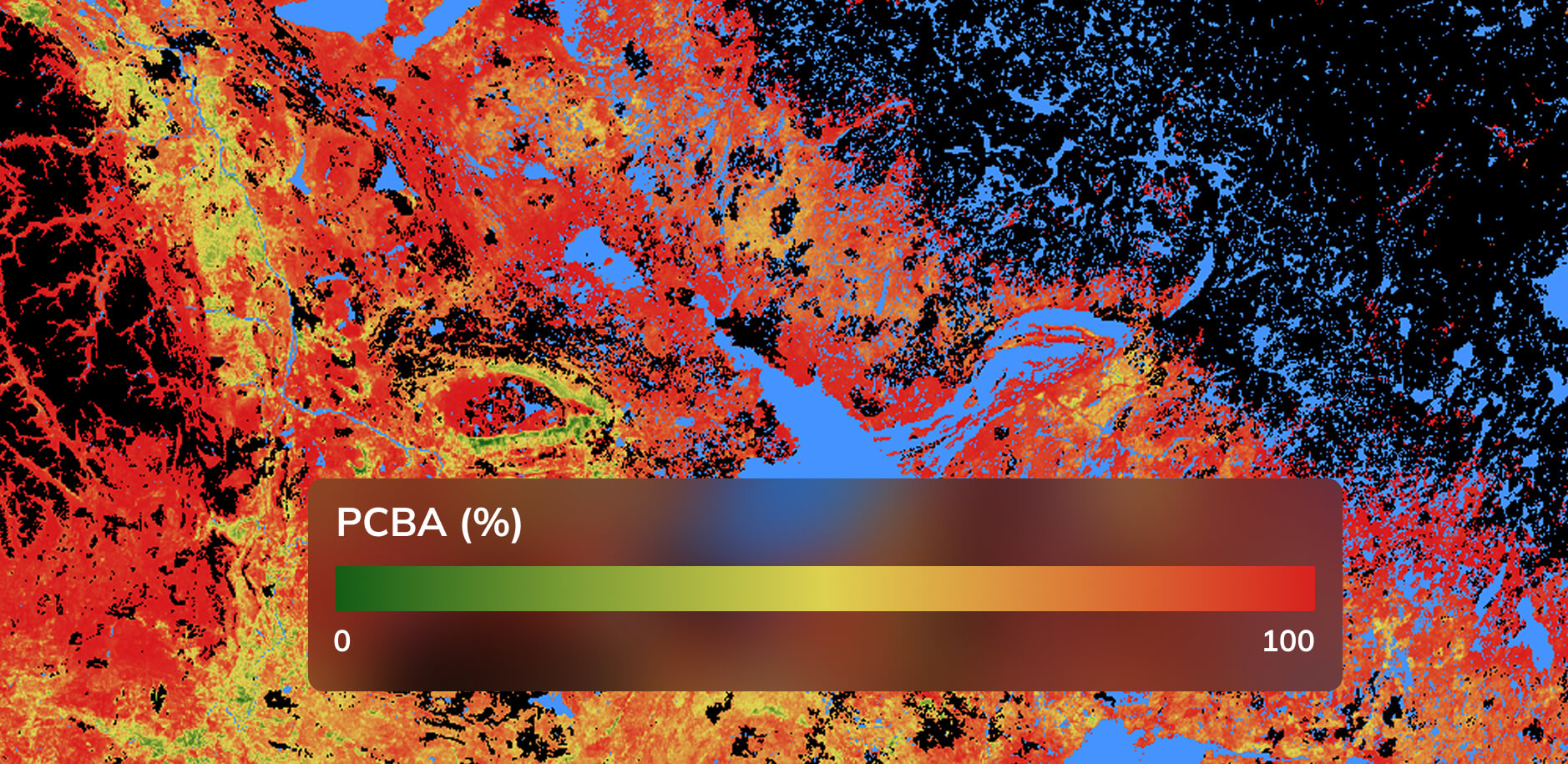
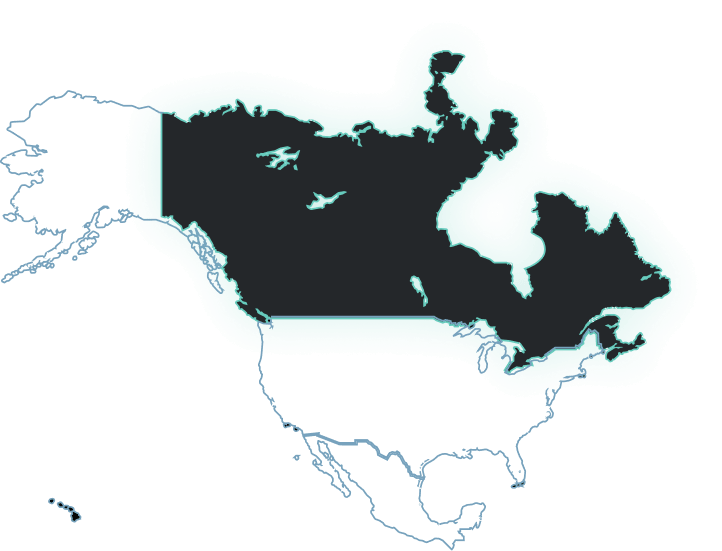
EarthDaily provides the only Canada-wide 20m resolution wildfire map that monitors forest health over time and indicates areas with high wildfire exposure risk.
Who Benefits from Ascend
Property Insurance Carriers
Assess wildfire, flood, and wind exposure at property level across entire books. Identify insurable risks within high-risk zones that coarse, single-peril scoring would reject.
E&S and Specialty Carriers
Capture market share as standard carriers exit climate-exposed geographies. Property-level, multi-peril precision enables faster underwriting on the volume of submissions flowing into E&S desks.
Reinsurance Companies
Evaluate cedant portfolio quality with cross-peril analytics and property-level granularity for treaty pricing and correlated multi-hazard exposure assessment.
Managing General Agents
Access institutional-grade environmental risk analytics without internal GIS, CAT modeling, or data science teams. Demonstrate data-backed risk selection to capacity providers across every peril.
Civil and Federal Government
Support disaster preparedness, infrastructure resilience, and post-event response with multi-hazard intelligence across jurisdictions.
Utilities
Assess wildfire exposure to transmission infrastructure and plan vegetation management using continuously updated fuel load and forest health data.
Ascend Features & Capabilities
Assess. Underwrite. Manage. From One Solution.
Wildfire Exposure Risk Scoring:
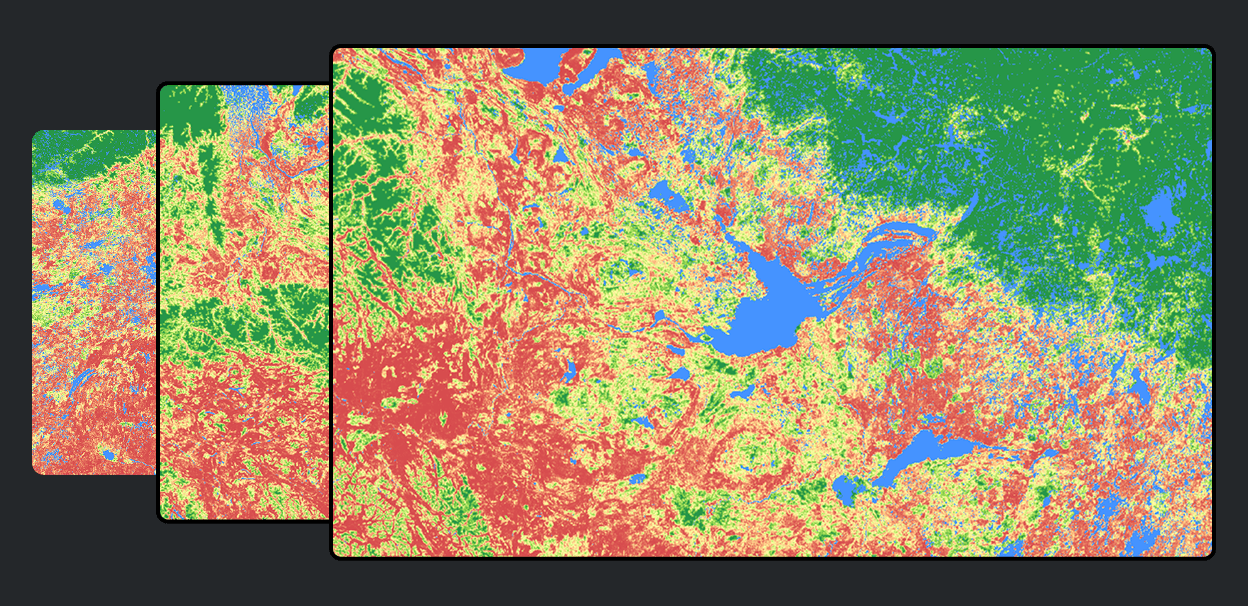
Fuels-based, forward-looking wildfire risk scores derived from EarthDaily's proprietary satellite data. Monitors forest health over time and identifies areas with elevated wildfire exposure using fuel hazard mapping, distance to hazardous fuel, canopy height, forest composition, and fuel type analysis.
Flood Extent Mapping:
Determines flooded areas in near real time using daily satellite capture from the EarthDaily Constellation. Supports emergency response, damage assessment, and claims validation by detecting inundation levels as flood boundaries evolve.
Burn Perimeter Mapping:
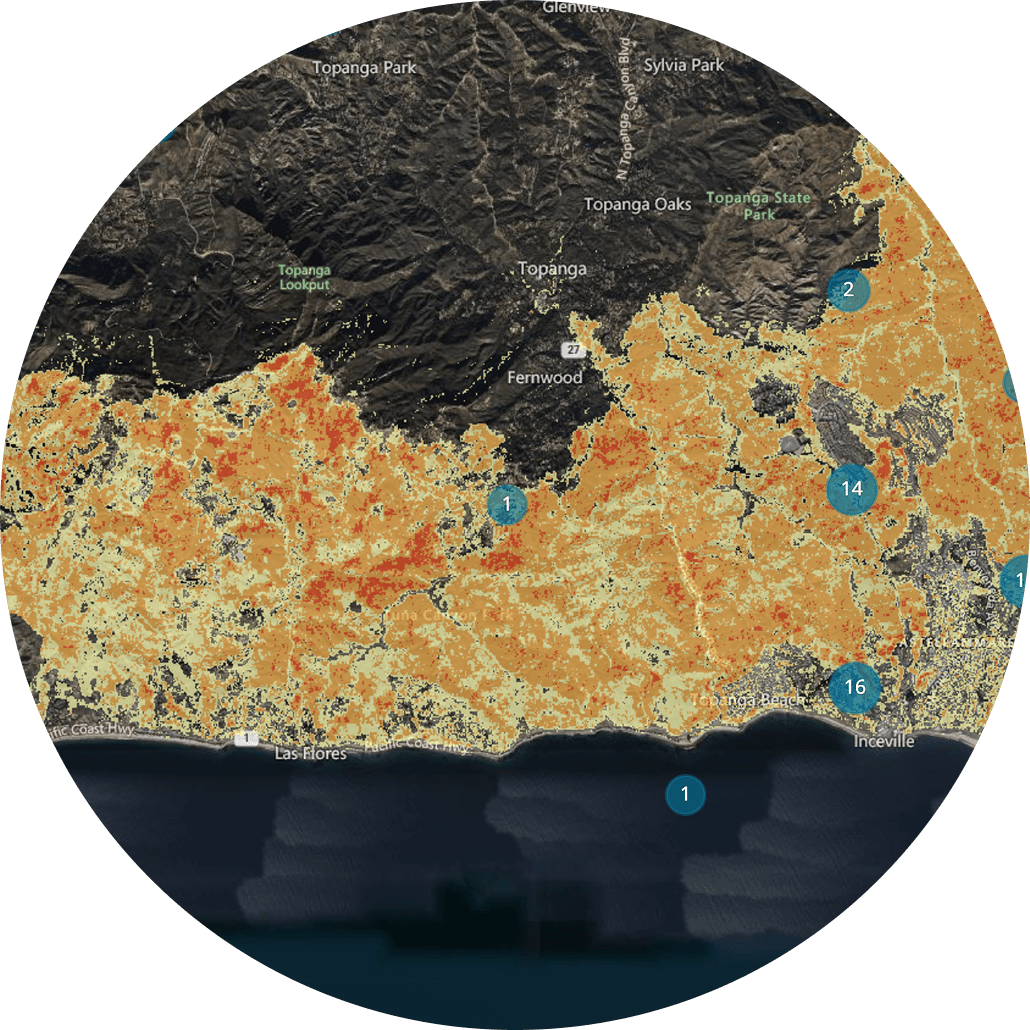
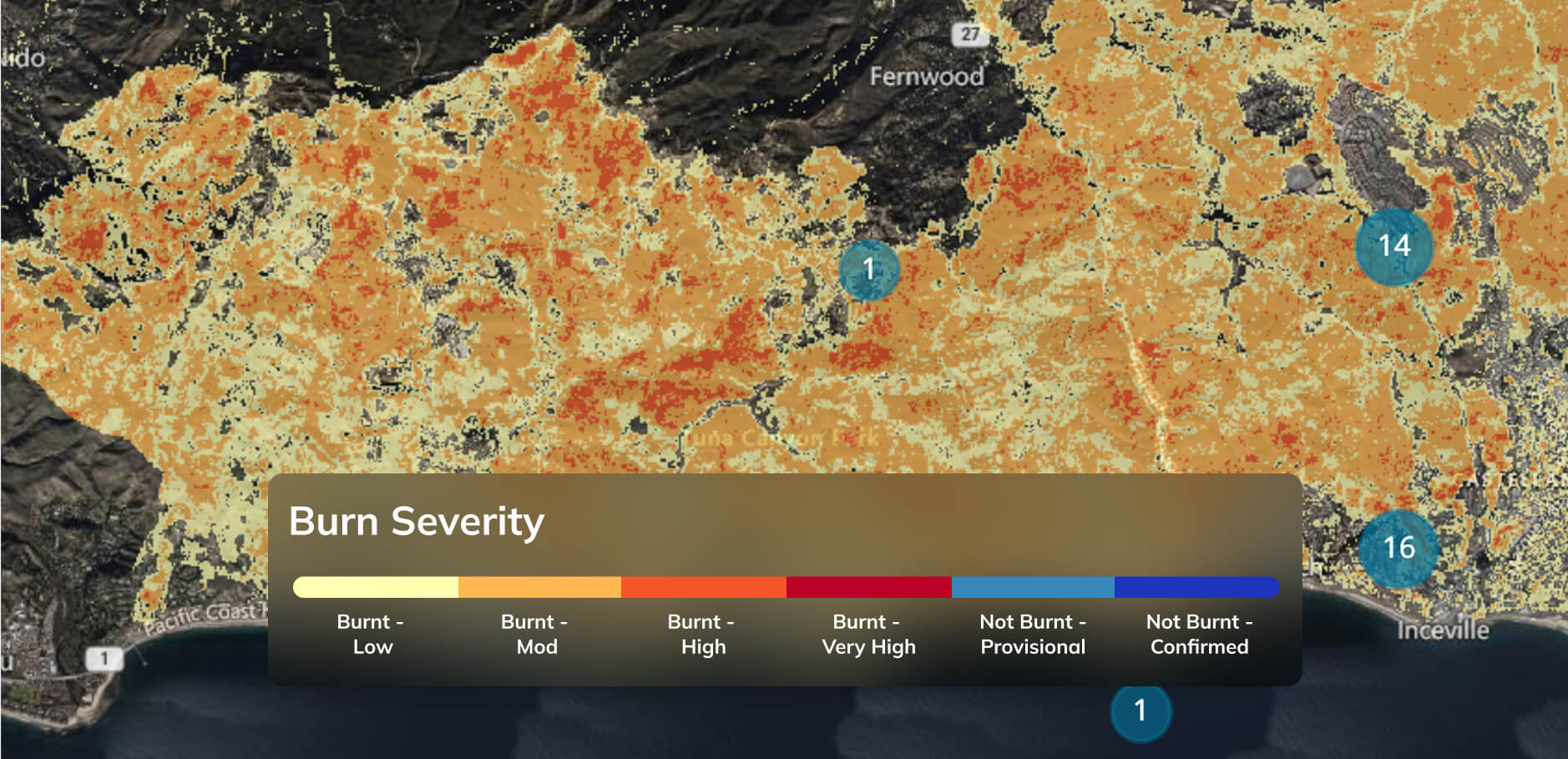
Visualizes the exact geographical boundary of areas affected by wildfire, mapping the full extent of burned territory for claims assessment and portfolio exposure analysis.
Burn Severity Classification:
Classifies the intensity of fire damage on a 0 to 1 scale, measuring vegetation removal and charred ground extent. Enables differentiated claims treatment based on actual damage intensity rather than proximity alone.
Forest Health Monitoring:
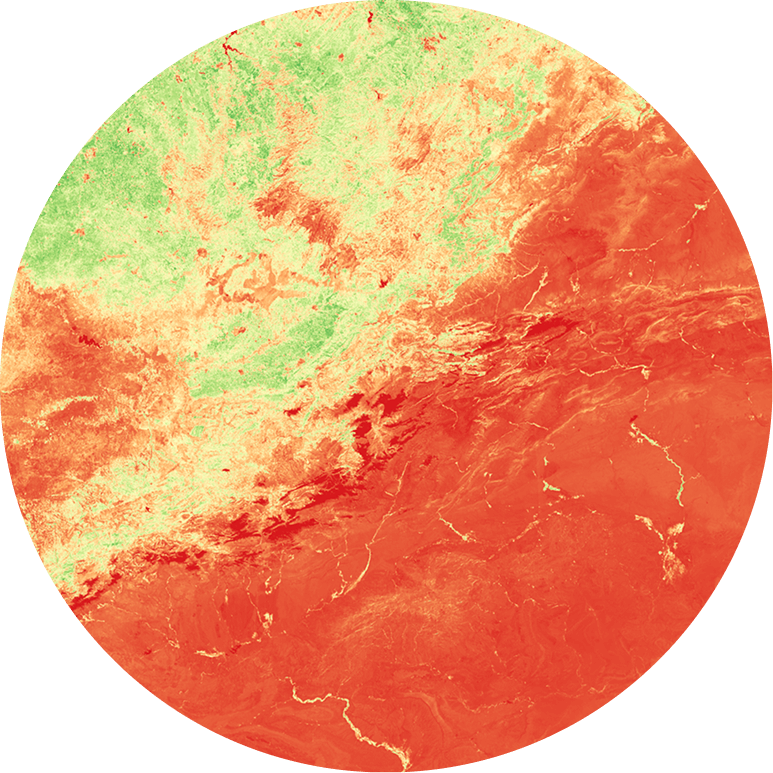
Continuously monitors forest and vegetation condition over large areas. Detects health issues driven by invasive insects and biotic stressors before they are visible on the ground. Quantifies plant vigor, tracks phenology to map dead and dying stands, and measures soil moisture patterns that influence ignition potential and fire behavior.
Wildfire Change Detection:
Identifies areas where wildfire probability or fuel hazard has shifted over time, enabling portfolio managers to track evolving risk exposure and adjust underwriting strategies accordingly.
Parcel and Building Change Detectio:
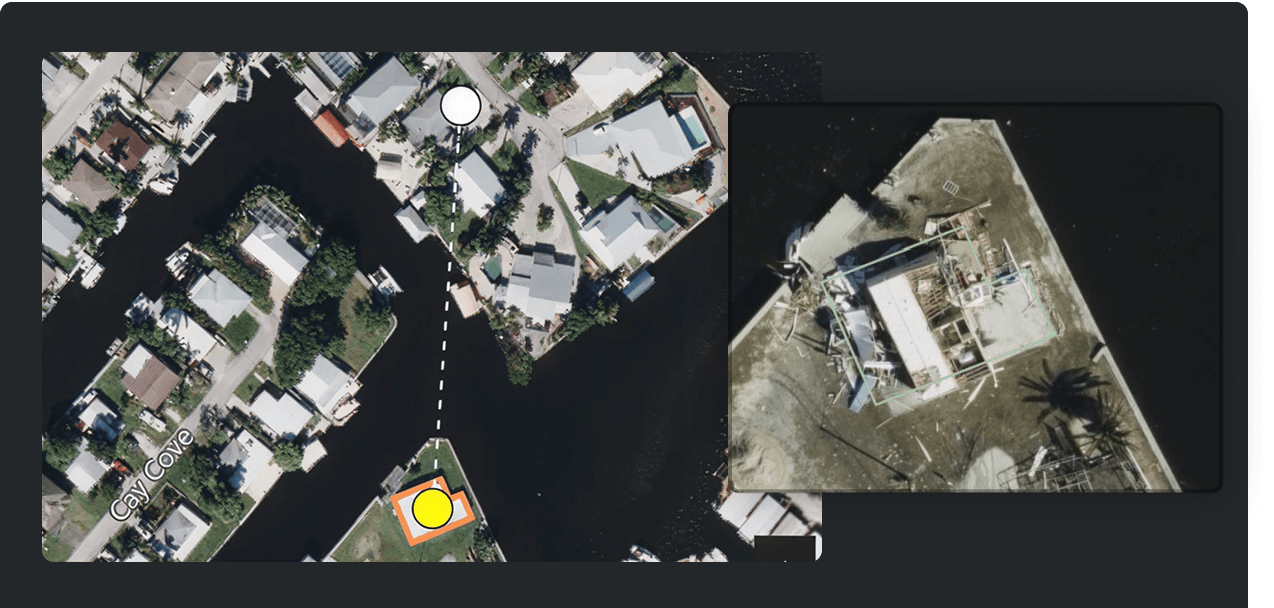
Identifies new construction, demolished structures, defensible space modifications, and alterations to existing buildings by comparing high resolution satellite imagery across different time periods. Uses temporal analysis at 5m resolution to flag spectral and spatial differences indicating construction activity, demolition, or significant property changes.