

.jpg?width=289&height=168&name=Data%20Use%20cases%20(1).jpg)
ITEA PROJECT 22014 · Natural Disaster Risk & Assessment
Three pilots, three hazards,
three continents.
Wildfire risk, landslide early warning and algae bloom detection — pilots
validating multi-source Earth Observation and AI across Europe, North
America and the Republic of Korea.
NADIR is being validated through pilot deployments each pilot testing a distinct aspect of the platform against a specific natural hazard.
Three pilots are currently in active development. The descriptions below set out the challenge each pilot addresses, the approach being developed, and the expected outcomes against which the work will be validated.
Results will be published as pilots progress. For the most current status, see the NADIR project page on the ITEA portal.
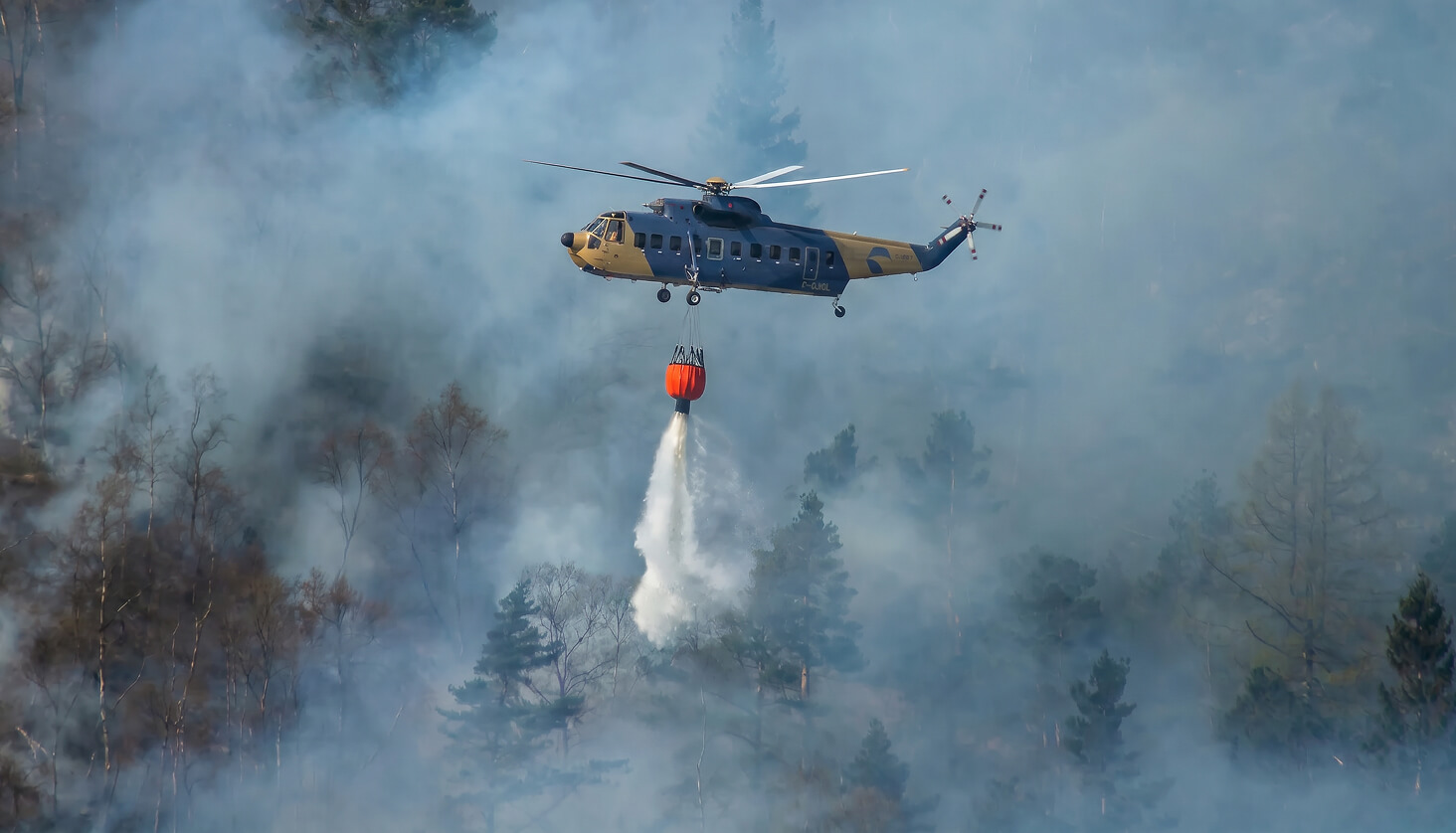





Faster detection through coordinated multi‑source data fusion.
Integrating UAV observations with satellite Earth Observation data and ground-based sensor information within the NADIR platform for early intervention in high-risk areas.
Lead partners ISEP (AI/ML research) · Dragon Praxis (UAV operations) · OPT (WebGIS & integration)
Wildfire detection and risk assessment benefit greatly from fusing data from multiple sources, but existing systems struggle to combine the speed, spatial resolution and operational flexibility needed for early intervention. Coordination across satellite, aerial and ground-based observations remains fragmented.
The pilot is developing and validating wildfire detection capabilities by integrating UAV observations, satellite EO data and ground-based information. ISEP contributes research in machine learning methods specific to wildfire applications. Dragon Praxis provides ground-truth data through Remotely Piloted Aircraft Systems. OPT integrates components into a WebGIS-based delivery platform.
Faster detection through coordinated multi-source data fusion
Higher spatial resolution through targeted UAV deployment
Flexible monitoring of high-risk areas as conditions evolve
Improved situational awareness for emergency response coordinators
Supporting evidence for faster, more effective response actions
From reactive response to proactive intervention.
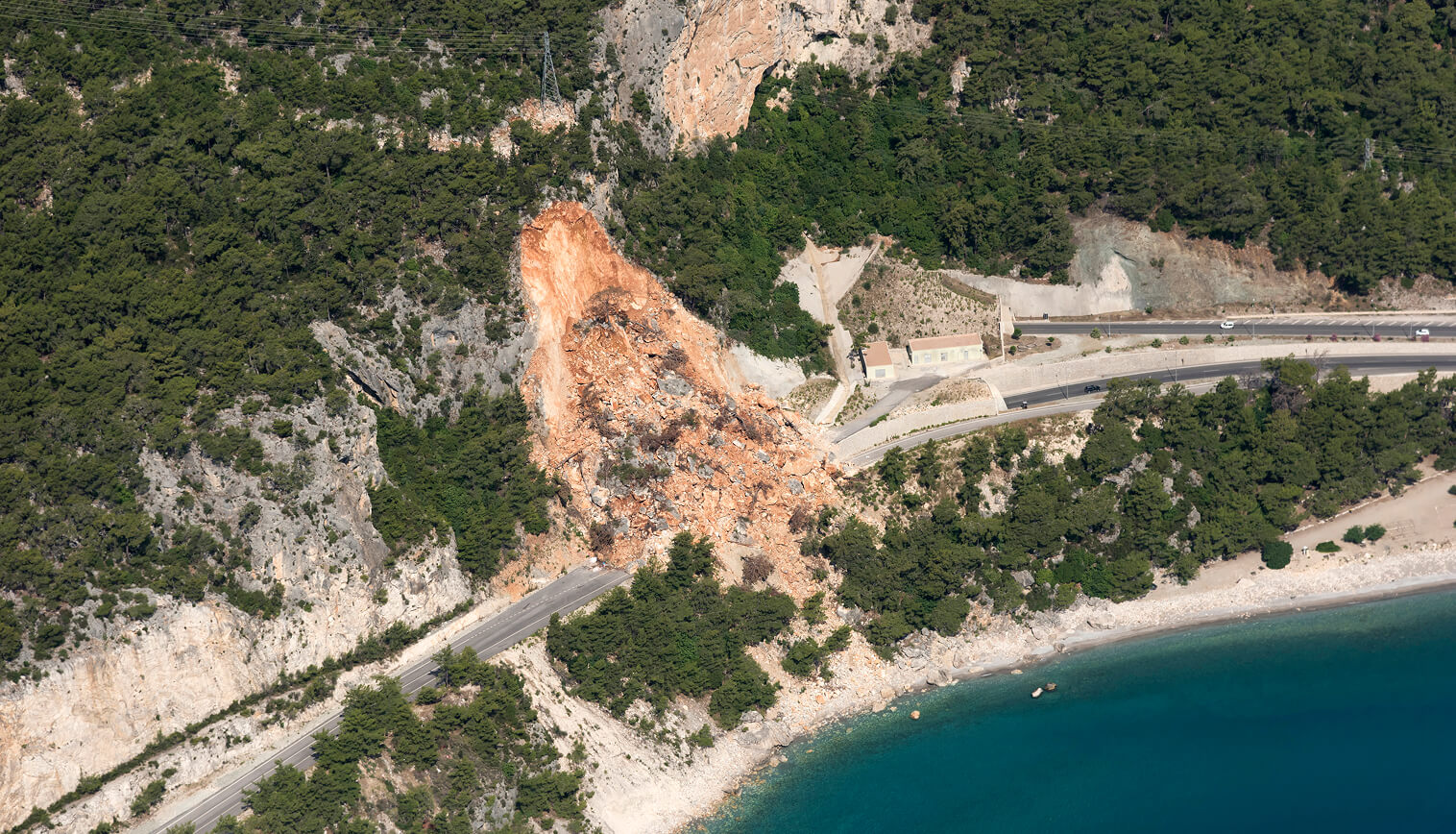
Combining acoustic sensor networks with AI-driven analysis and a time-critical cloud telemetry platform — to detect landslide precursors within operationally meaningful timeframes.
Lead partner Beia Consult International (Romania)
Landslide risk early warning remains an under-served segment of the disaster management market. Effective warning depends on combining sensor data, advanced analytics and time-critical communication channels but no current open ecosystem brings these elements together in a way that supports proactive, rather than reactive, intervention.
Beia is integrating acoustic sensor networks with AI-driven data analysis methods and a time-critical cloud telemetry platform. The combined system is designed to detect landslide precursors and deliver alerts within operationally meaningful timeframes. The work draws on Beia’s existing experience in landslide early warning using acoustic sensing.
Validated approach combining acoustic sensors, AI analytics and cloud telemetry
A new market segment opened for landslide risk early warning services
Reusable platform components for integration into wider disaster management workflows
Evidence base for proactive landslide risk management


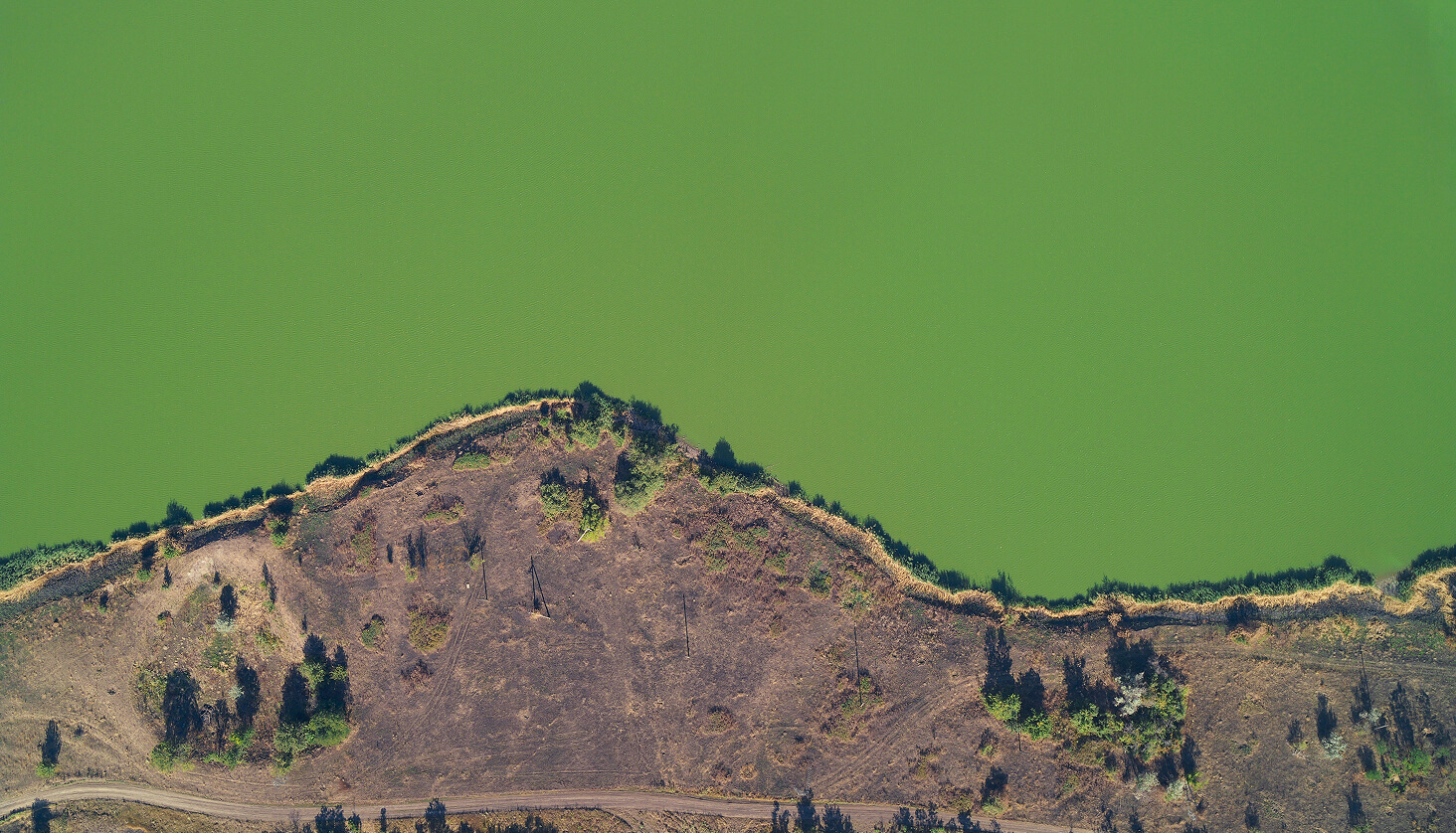

Year-round environmental intelligence, not just warm-season monitoring.
Developing high-resolution algae bloom distribution detection with particular focus on winter monitoring at river outlets, where most existing approaches leave a gap.
Lead partner Naraspace (Republic of Korea)
Algae bloom monitoring at river outlets is constrained by irregular imaging and the difficulty of detecting blooms during winter months, when low temperatures coincide with measurable Normalised Difference Chlorophyll Index (NDCI) signals. Most existing approaches focus on warm-season monitoring, leaving a gap in year-round environmental intelligence.
Naraspace is developing high-resolution algae bloom distribution detection algorithms with a particular focus on winter monitoring at river outlets. The work expands coverage using the EarthDaily Constellation and scales the AI model toward global applicability beyond the initial regional pilot area.
Reliable detection of algae bloom distribution across winter and summer seasons
AI model demonstrated at regional scale and extensible to global coverage
Improved environmental intelligence available to water resource and public health authorities
A validated workflow for high-resolution algae bloom detection using daily satellite imagery

ITEA is the Eureka RD&I Cluster on software innovation, enabling industry, SMEs, start-ups, academia and customer organisations to collaborate in funded projects.
ITEA turns innovative ideas into new businesses, jobs, economic growth and benefits for society. It is part of the Eureka Clusters Programme (ECP). NADIR is co-funded by National contributions from NRC Canada and ANI Portugal.