
Image source: World Gold Council
Part 2 of a multi-part series on understanding artisanal and small-scale mining (ASM).
In the previous section, we introduced ASM, demonstrated that it is observable and highlighted to understand the extent of the activity and its characteristics, repeated observation across space and time is critical.
Once decision makers have a grasp on the spatial and temporal characteristics of ASM, the decisions being made will be determined by the regulatory context. To clearly articulate this in the article, it's useful to distinguish ASM archetypes:
- Formal ASM refers to artisanal and small-scale mining activity that operates within established legal frameworks, typically through licensing, permitting, or recognized cooperative structures. In practice, this depends heavily on whether regulatory pathways are affordable, accessible, and realistically achievable for small operators.
- Informal ASM refers to mining activity occurring outside formal systems, often because regulatory frameworks are unclear, slow, expensive, or not designed for the operational realities of ASM. This category frequently reflects governance and administrative barriers rather than deliberate avoidance of compliance and may include miners who would formalize if viable pathways existed.
- Illegal ASM refers to mining activity that clearly breaches legal restrictions, including operations inside protected areas, on restricted land, or within exploration/mining license areas held by other parties. This form of ASM creates direct conflict with formal large-scale mining, environmental regulations, and land-use governance, and typically triggers stronger enforcement and security responses.
- Organized illegal extraction and theft represents a distinct category involving structured criminal networks, coordinated logistics, and deliberate exploitation of regulatory or security gaps. While it may overlap geographically with ASM, it differs materially in intent, scale, and organisation, and is not the primary focus of this article.
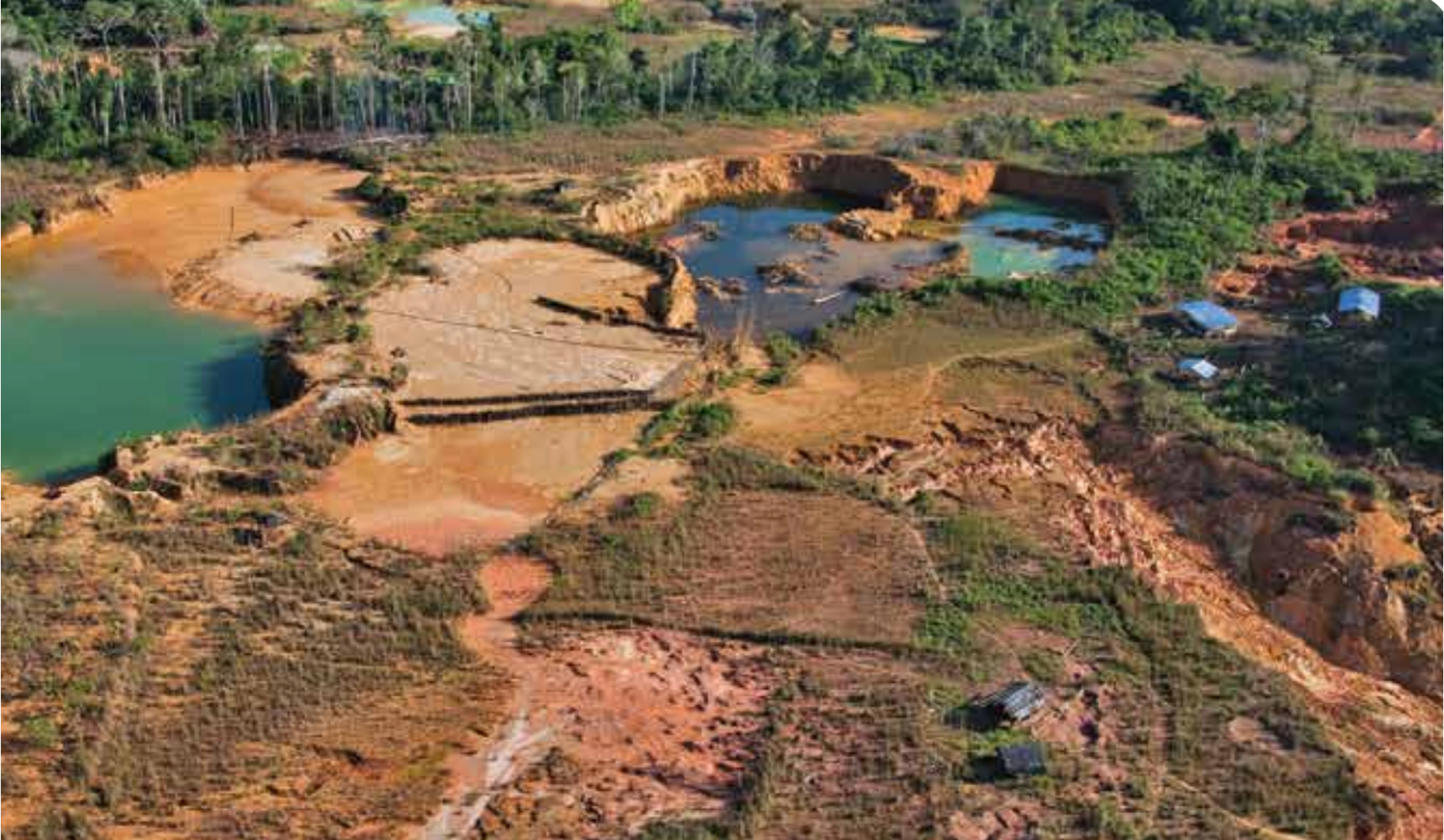
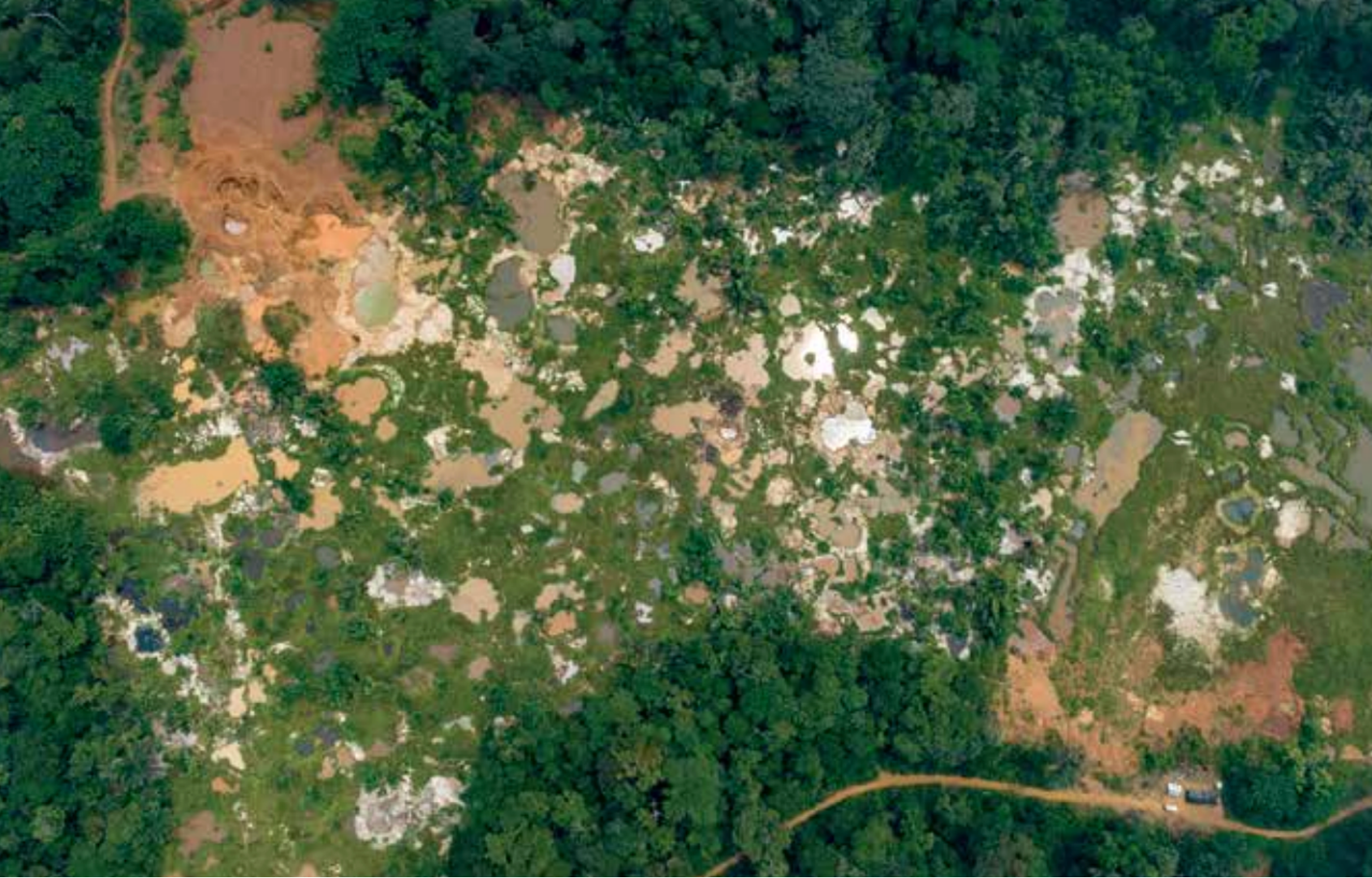 Aerial view of the deforestation due to illegal artisanal gold mining in a tropical rain forest in Central African Republic. Image source: World Gold Council
The Global Reality of ASM Governance
Globally, only a minority of ASM operates within fully formalized frameworks. Informal ASM accounts for a significant share of activity in many regions, and illegal ASM often overlaps spatially with both formal and informal operations.
From a spatial and temporal characterization perspective, these distinctions are not readily apparent at the surface. Surface disturbance associated with ASM, such as pits, trenches, or cleared areas, is visually similar regardless of the applied regulatory framework. As a result, surface observation can reliably indicate that mining-related activity is occurring, but not whether it aligns with current regulatory frameworks.
This distinction is important because it will determine how governments, mining, and NGO stakeholders can best apply spatial and temporal characterization to the respective regulatory contexts in which they operate.
In the next part in this series, we examine how governments, mining companies, and NGOs use spatial and temporal characterization of ASM to support oversight, risk management, and policy decisions.
About the Author